
The Profitable 3D Print I Nearly Talked Myself Out Of
 Reading Time: 7 minutes
 Most people spend days or weeks trying to make a product idea work before they realise it was never going to. My process is designed to kill bad ideas as fast as possible, so I can spend my time on the ones that actually have a chance.
Here is a real example from this week. The product: a faucet extender for kids. Something that clips onto a tap and extends the water stream so toddlers can reach it to wash their hands.
I almost walked away from it. Here is the full story of what the data showed, what nearly stopped me, and why I ended up keeping it on the list.
Step 1: Start With a Product Type List
Before I ever touch a keyword tool, I build a list of product types worth researching. I look at broad functional categories like holders, adapters, extenders, mounts and organisers, then identify specific products within those categories that solve a real problem.
The faucet extender for kids came from the extender category. It immediately stood out as something with a specific, searchable use case and a clear buyer.
Step 2: Generate Seed Keywords for Keyword Keg
One important thing to know about Keyword Keg: it is strong at suffix expansion but does not reorder words. So if I enter “faucet extender” it will find “faucet extender kids” and “faucet extender for toddlers” but it will not find “extender faucet” or “kids tap extender” on its own.
That means I need to front-load every realistic lead word a buyer might start their search with. For this product my seed list looked like this:
faucet extender, tap extender, sink extender, spout extender
Each seed is its own starting point. Keyword Keg then expands rightward from each one to surface the full keyword universe.
Step 3: Run the Keywords and Filter the Results
I paste the seeds into Keyword Keg set to Amazon, US. When the results come back I go through every keyword returned, including lower volume terms, since multiple smaller keywords stacking together can add up to meaningful demand.
Here is what came back:
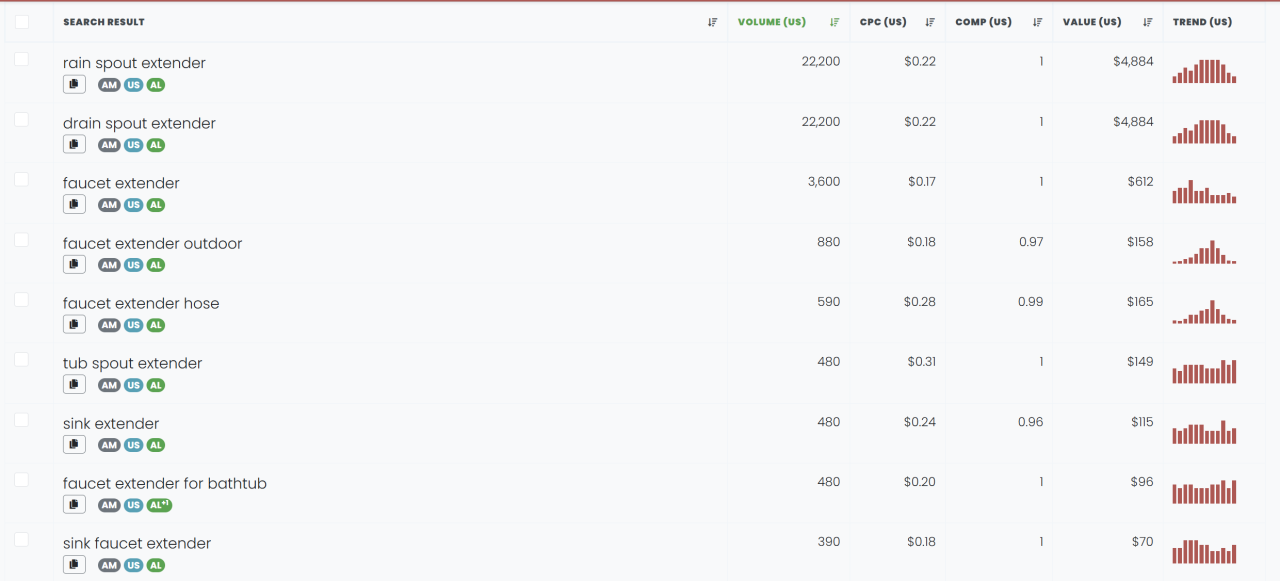
The first thing I noticed: the two highest volume terms, rain spout extender and drain spout extender at 22,200 searches each, are completely different products. They refer to downspout extenders for gutters, not tap extenders for kids. Those get removed immediately.
I then stripped out the irrelevant general terms like faucet extender outdoor, faucet extender hose, rotating faucet extender and swivel faucet extender. Those pull up metal aerators and plumbing hardware, not kids handwashing products. The only terms that matter are the ones where the buyer is specifically searching for a kids solution:
faucet extender kids (210), faucet extender for toddlers (140), faucet extender for kids (50), sink extender for toddlers (50), sink extender for kids (30), kids sink extender (30), tap extender for kids (10), spout extender for kids (10), faucet handle extender for kids (10), water faucet extender for kids (10) Total stacked: ~550 searches per month
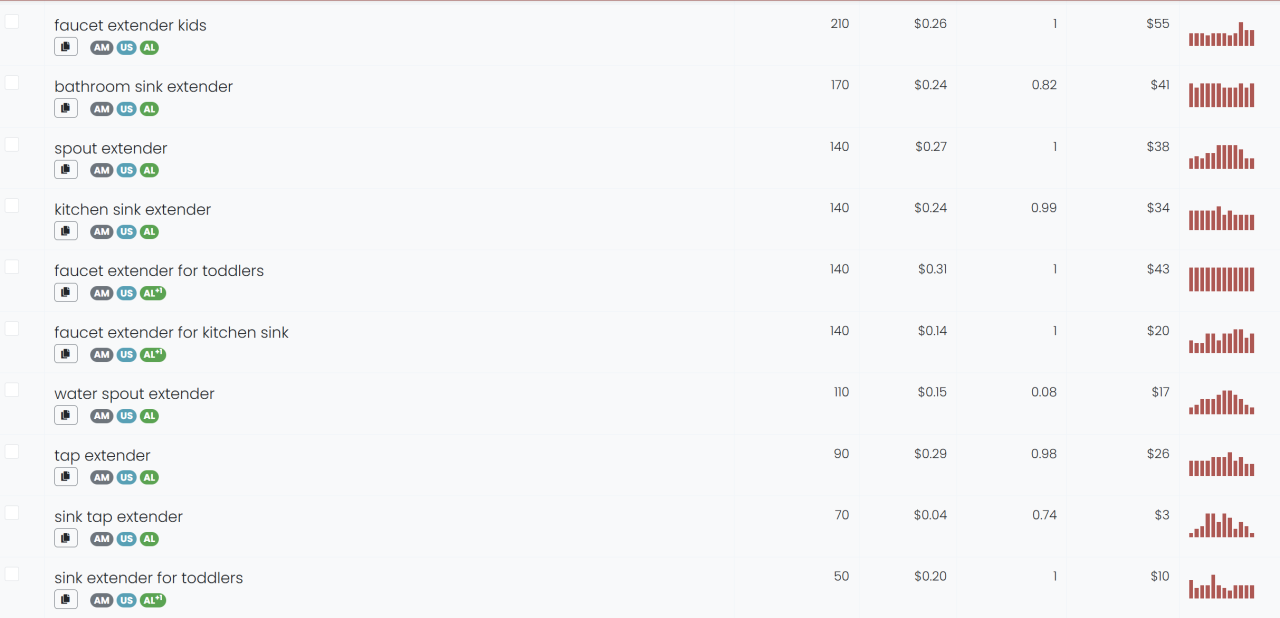
That clears my 200 search minimum threshold. The demand is real, even if it is more modest than the raw data first suggested.
Step 4: Check Amazon to Validate the Product Type
High keyword volume means nothing if the search results show a completely different type of product. So before going any further I search the most relevant terms directly on Amazon to see what buyers are actually purchasing.
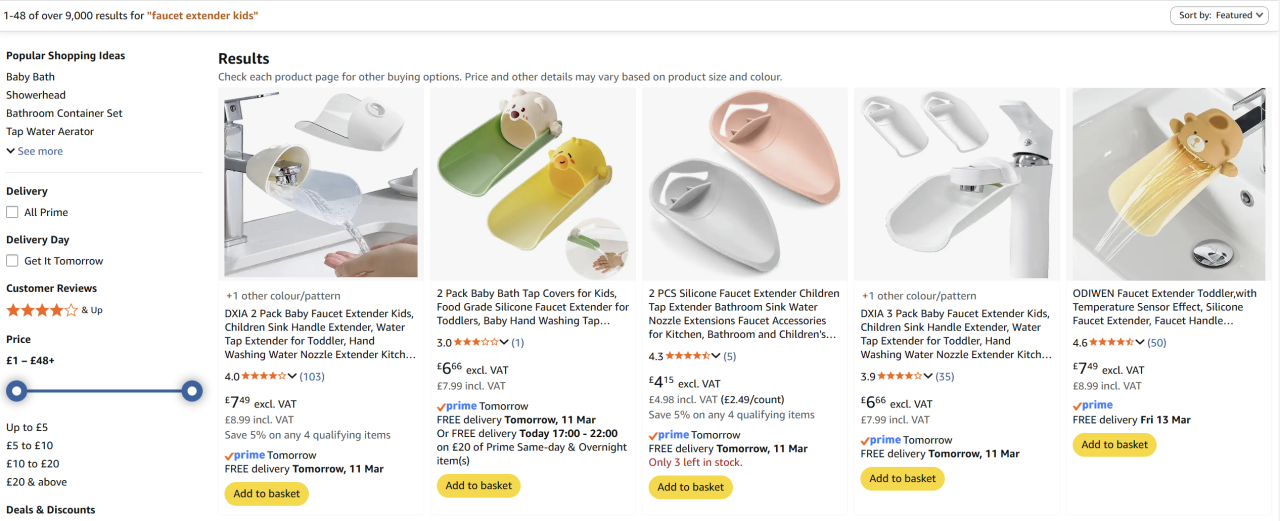
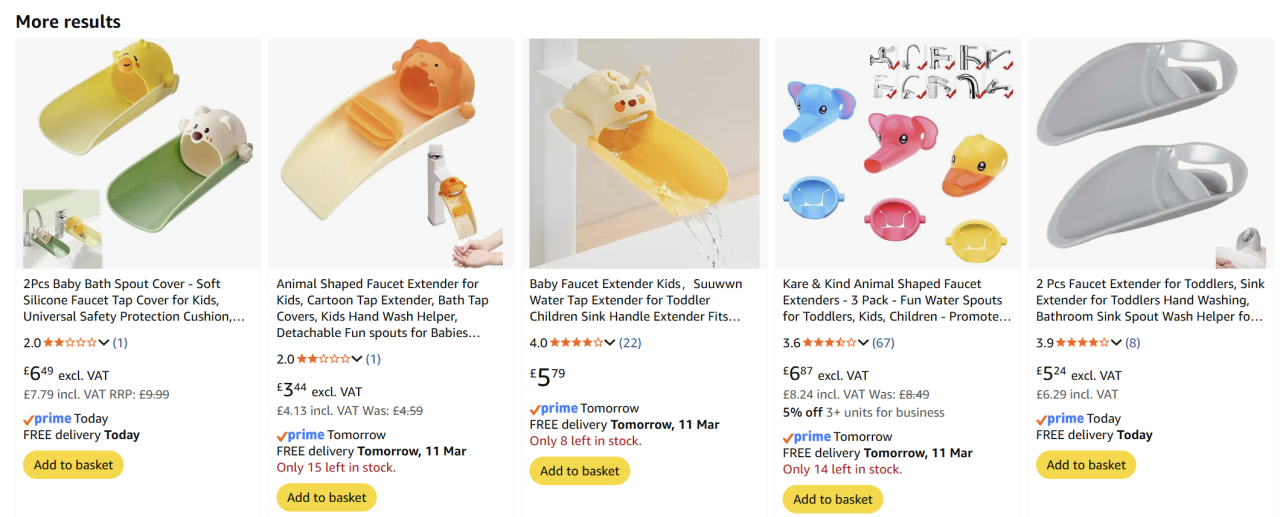
The market is dominated by injection moulded silicone and plastic products from Chinese manufacturers, priced between $4 and $9.
Bears, ducks, elephants, lions. Functional enough, but generic.
Scanning the first page I also noticed something that stood out immediately: one listing sitting well above everything else.
Munchkin, a recognised baby brand, selling a faucet extender 2 pack at $23 with over 16,700 reviews.
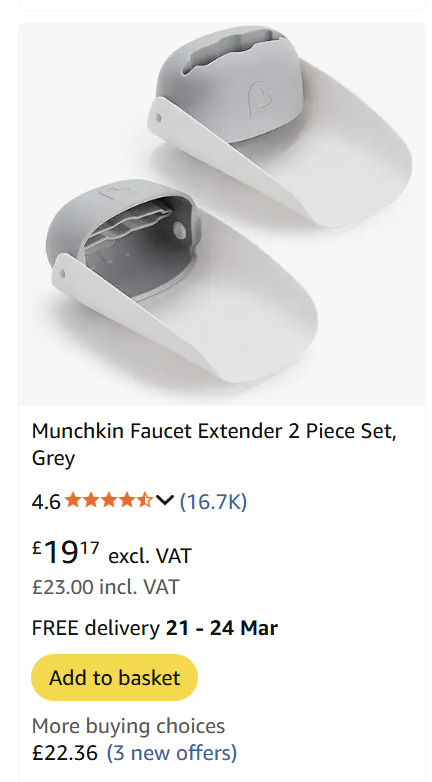
In a market full of $4 to $9 no-name products, a brand had built enough trust to charge nearly three times the going rate and still dominate.
That is worth paying attention to. It tells you the ceiling in this market is much higher than the generic listings suggest, and that buyers will pay significantly more when there is a reason to.
The second thing I noticed was what was not there.
Scanning the entire first page there was not a single dragon or dinosaur design. Bears, lions, ducks and generic plain shapes.
Nothing for the kid who is obsessed with dinosaurs. Nothing that would make a parent stop scrolling.
That theme gap, combined with the review complaints, is where the opportunity starts to take shape.
Step 5: Spot the Theme and Review Gaps
Most people stop at the search results page. I go one level deeper because that is where buyers tell you exactly what the existing products are getting wrong.
Here is what the reviews revealed:
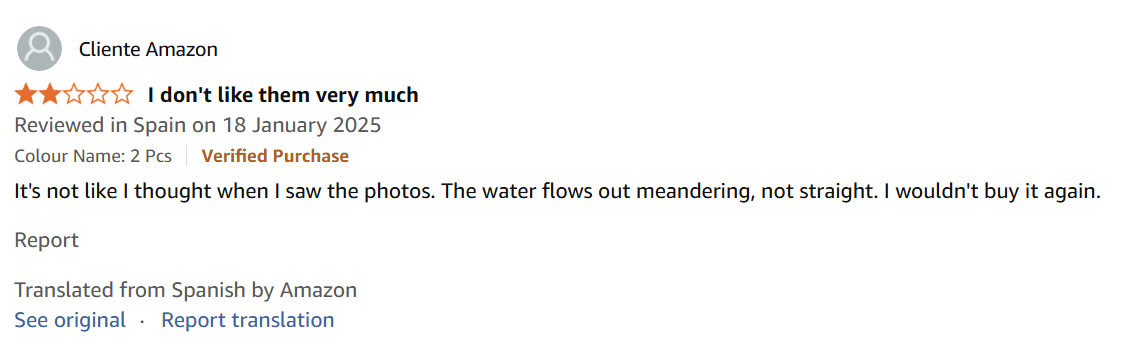
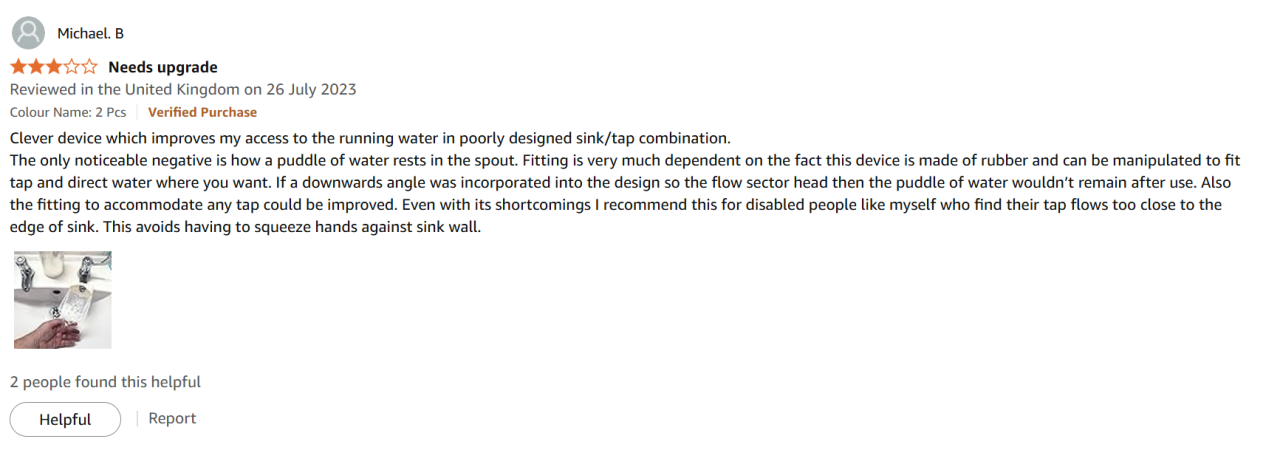
- Water flows out meandering, not straight. One reviewer specifically said the water does not flow in a controlled direction. That is a functional design flaw a well engineered 3D printed channel could solve by building in a proper directional spout.
- Water pools in the spout after use. Another reviewer described exactly how to fix it: a downward angle built into the design so the water drains out rather than sitting in the tray. He even said it himself: if a downwards angle was incorporated into the design the puddle of water would not remain after use. A free design brief from a customer.
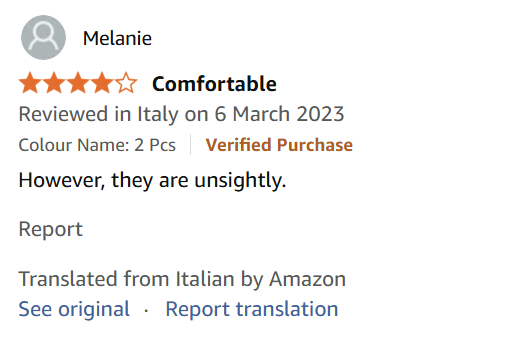
- They look unsightly. A 4 star reviewer said the product was comfortable but unsightly. That single word is worth paying attention to. Parents do not want something ugly sitting on their bathroom sink permanently.
Three real complaints. Three specific design improvements. And zero existing listings combining those functional fixes with a themed design that parents and kids actually want. That is the gap.
Step 6: Apply the Manufacturability Filter
This is the step most people skip entirely. Just because there is demand and a gap does not mean 3D printing is the right way to make it. For this product I had one concern: heat tolerance.
PLA is not suitable here. Hot water from domestic taps can easily push past its softening point. But PETG handles up to around 80°C which is well within the range of a standard domestic tap, and Thingiverse comments confirm it works well in practice. ABS is another option if you want additional heat resistance, though PETG is sufficient for most use cases.
Heat tolerance is not a dealbreaker for this product. The material choice just needs to be right.
The Verdict: It Stays on the List
I almost killed this one at the price ceiling. The generic market tops out at $9 and my minimum target is $15, with $10 being possible but not ideal for margins once you factor in shipping, labor costs, platform fees and ad spend.
The generic grey silicone tray is not the product I am making.
A dinosaur or dragon faucet extender with a built in drainage angle, a directional spout and a design parents actually want on their sink is a completely different product.
That buyer is not comparing it to a $4 pack of three plain ones.
They are buying it because their kid is obsessed with dinosaurs, or because it is a gift, or because they want something on the sink that does not make the bathroom look worse.
I have seen this pattern before with cookie cutters.
Dinosaur is consistently one of the highest search volume themes in that category.
The same audience buying dinosaur cookie cutters is the same audience buying things for their kids bathroom.
Realistic target price with a strong themed design and functional improvements: $12 to $15.
The Munchkin listing already showed us the ceiling is much higher than $9 when there is a real reason to pay more. We just need to give buyers that reason.
The process did its job. It stress tested the idea, surfaced the real risks, and gave me a clear picture of what it would take to make it work. That is exactly what validation is for.
